Food presentation transforms the act of eating into an art form by enhancing not only the taste but also the visual allure of the meal. A good presentation reflects the flavor and quality of the dish, making it more attractive and inviting. In this article, we will explore the fundamental elements of food presentation and the value they add to the dining experience.
Dish Selection
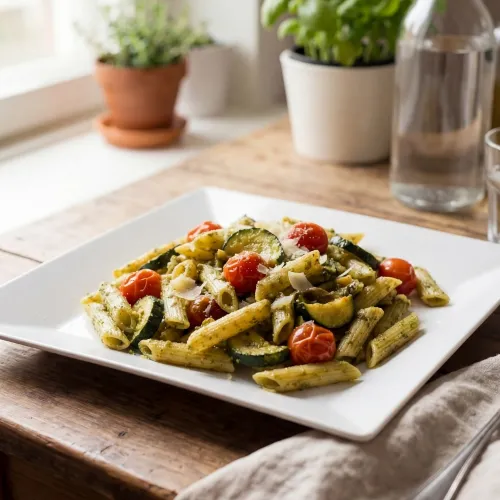
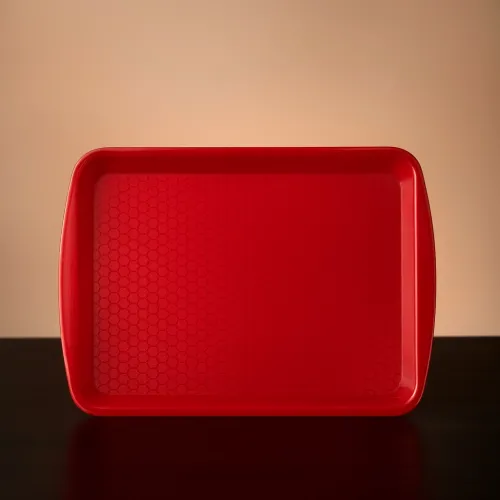
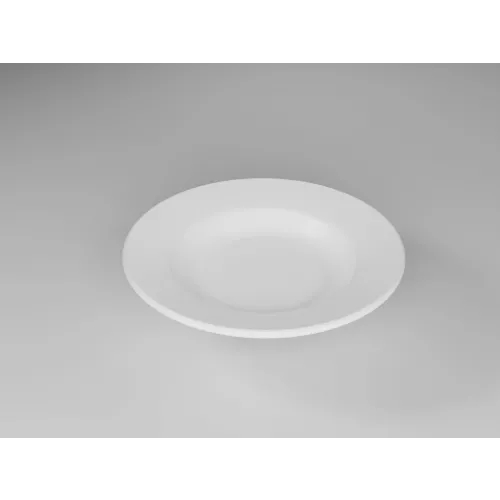
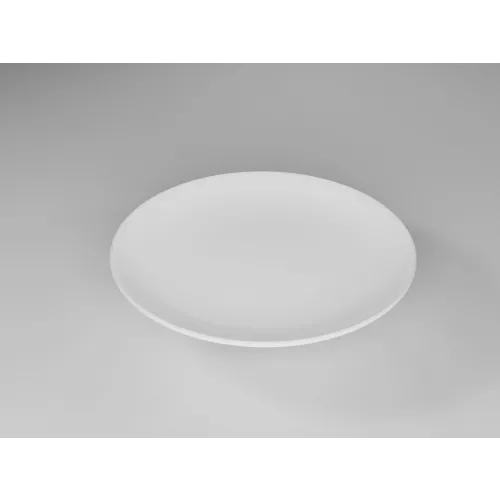
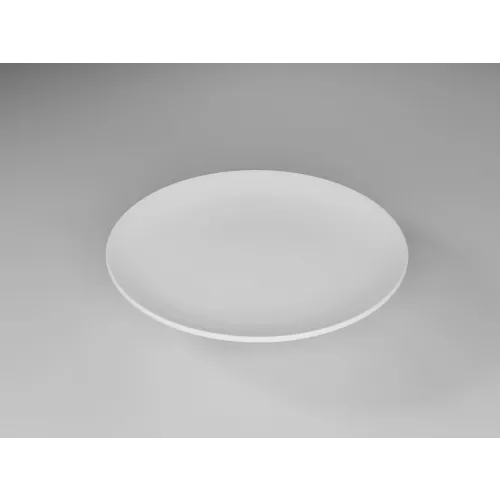
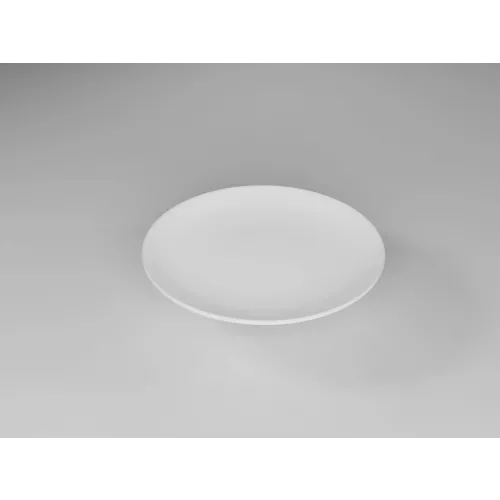
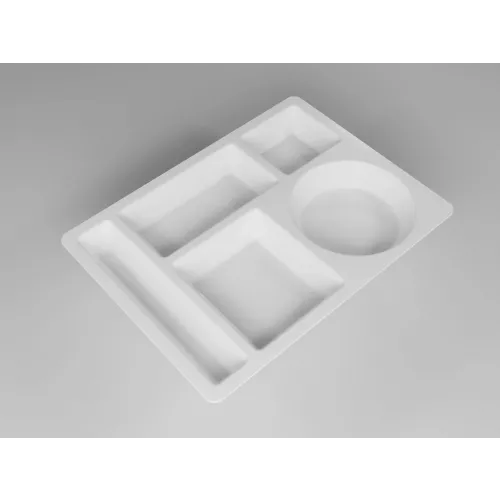
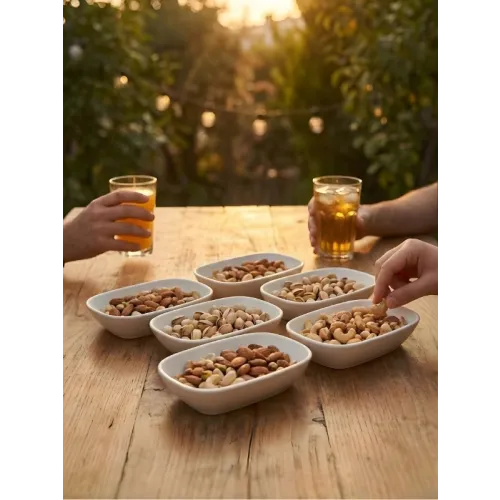
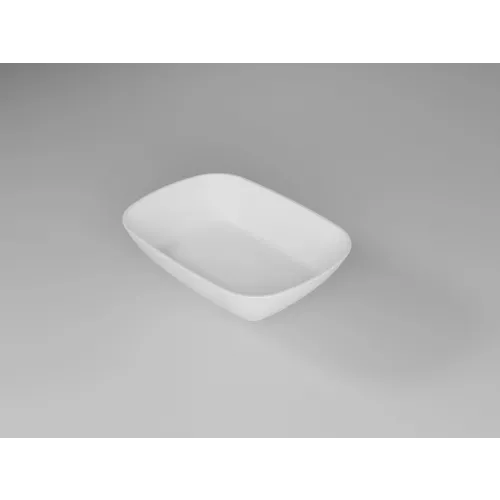
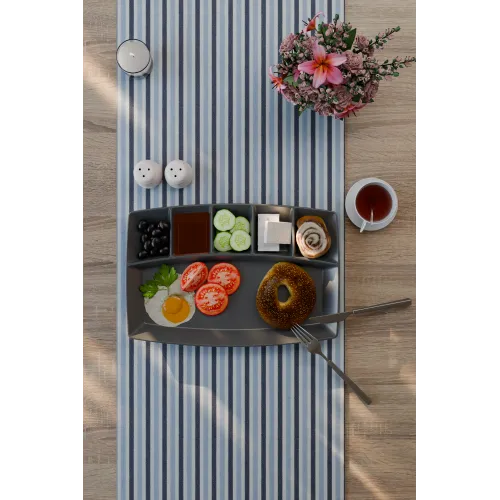
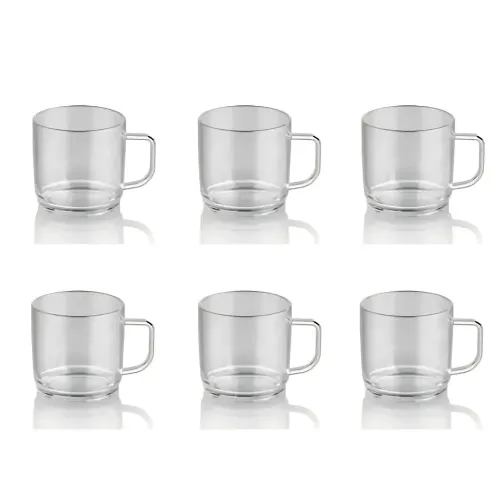
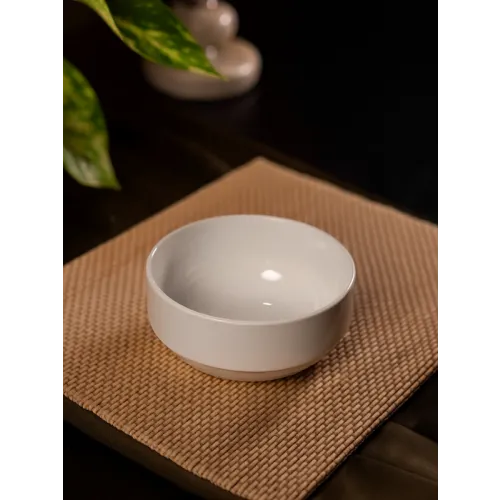
Dish selection is one of the cornerstones of food presentation. The correct dish should match the size, shape, and flavor of the meal. A large meal may look insufficient on a small dish, while a small meal may get lost on a large dish. For modern presentations, simple and elegant dishes are preferred, while classic dishes are more suitable for traditional presentations.
Food Arrangement
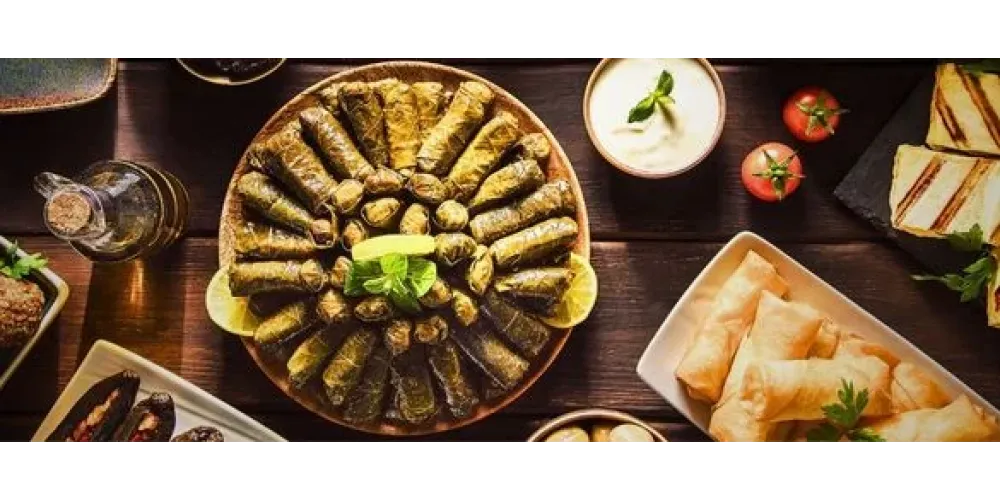
Food arrangement is the most creative part of presentation. The ingredients and colors of the dish should be arranged harmoniously. For example, a meat dish can gain visual and nutritional richness with the addition of vegetables and garnishes. Decorations should be made with natural materials like fresh herbs, flowers, and fruits to emphasize the flavor and quality of the dish.
The Psychology of Presentation
The psychology of presentation affects the enjoyment and pleasure of the meal as much as its taste. A good presentation makes the meal more delicious and enjoyable. Creating ambiance and atmosphere enhances the psychological effect of the presentation. The purpose of the meal and the intended audience play an important role in the success of the presentation.
Symmetry, Color, and Placement on the Plate
Symmetry, color, and placement are key elements of visual aesthetics in presentation. Plating the food in a balanced and symmetrical way makes the presentation look professional and attractive. The harmony and contrast of colors make the dish more eye-catching.
Basic Presentation Principles
Selection of Plates and Serving Utensils: Determines the style of the presentation. Elegant dishes are preferred for a special dinner, while simpler dishes can be chosen for a casual picnic.
Color and Contrast: The color theme of the food and presentation enhances visual impact. Harmonious and contrasting colors make the dish more appealing.
Balance and Symmetry: The balanced and symmetrical placement of the food on the plate provides a professional appearance.
Garnishes and Decorations: Decorating the dish with fresh herbs, greens, or sauces enriches the presentation. However, it is important not to overdo it.
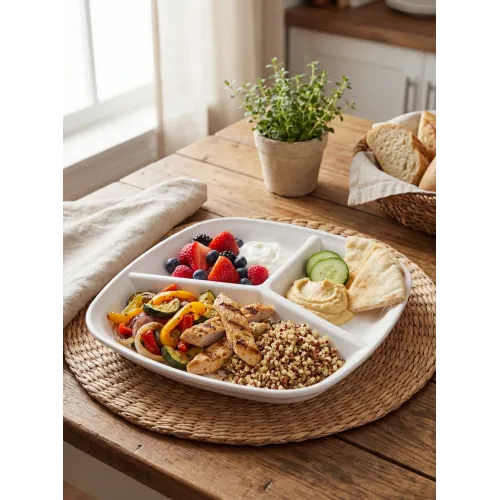
Proportion: There should be a balanced distribution among the components of the dish. Proteins, carbohydrates, and vegetables should be presented in a balanced manner.
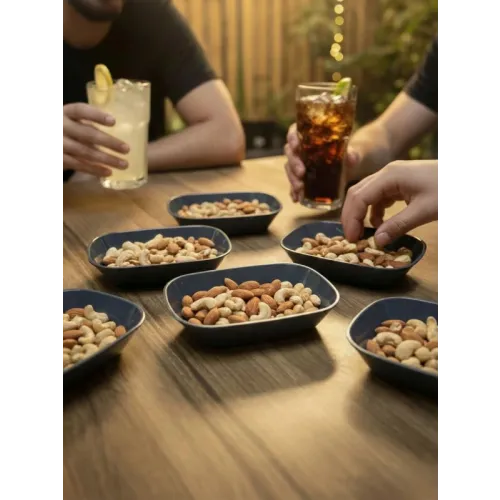
Portion Control: Each portion should be of the same size and orderly.
Environmental Arrangements: The lighting and ambiance of the presentation environment complete the presentation. Table setting and the general arrangement of the space play an important role in the success of the presentation.
Pouring Sauces and Patterns: Carefully pouring sauces onto the plate or creating patterns makes the dish more attractive.
Conclusion
Food presentation, by enhancing not only the taste but also the visual appeal of the meal, enriches the dining experience. The correct dish selection, food arrangement, decorations, and psychology of presentation are fundamental elements of food presentation. These elements turn food presentation into an art form, reflecting the quality and value of the meal. A good food presentation makes guests feel special and provides an unforgettable experience.