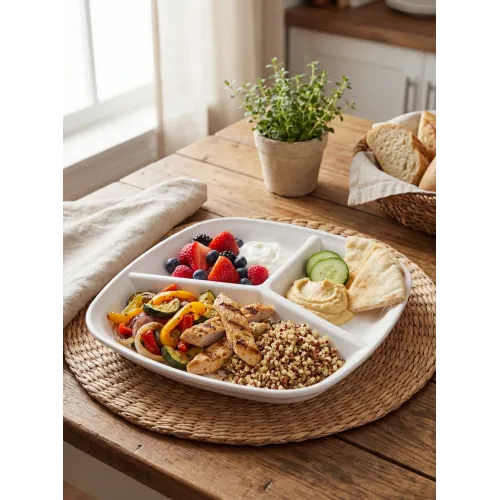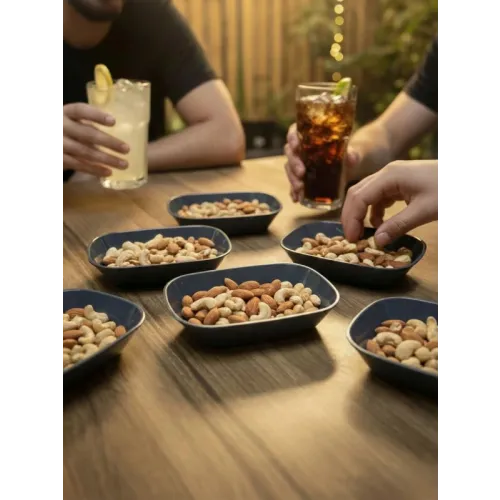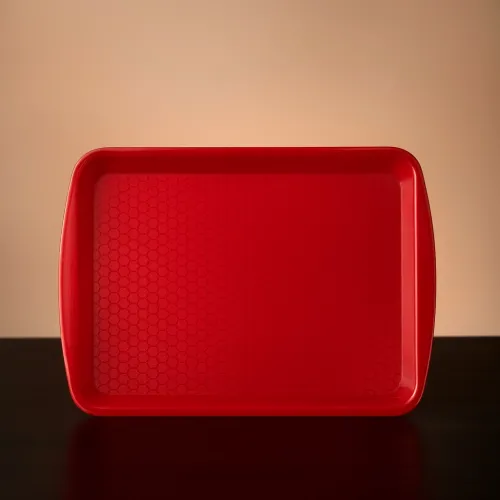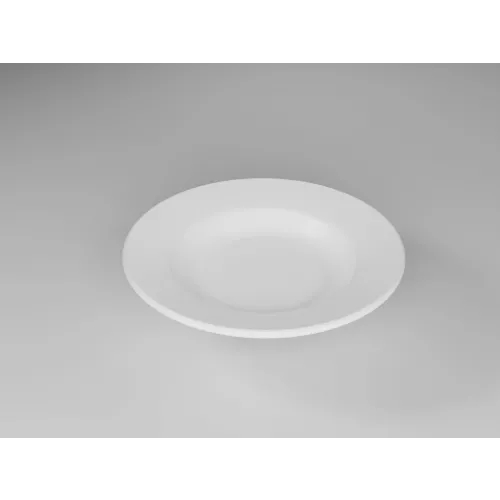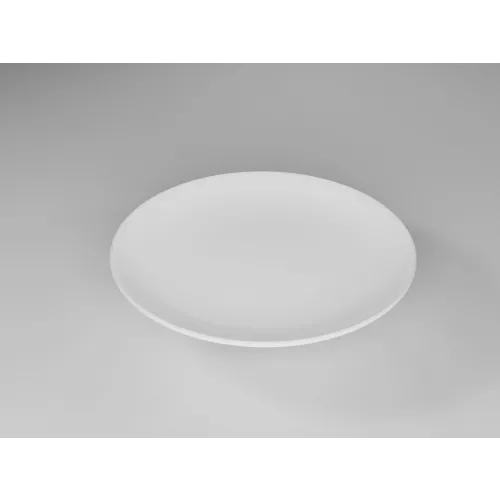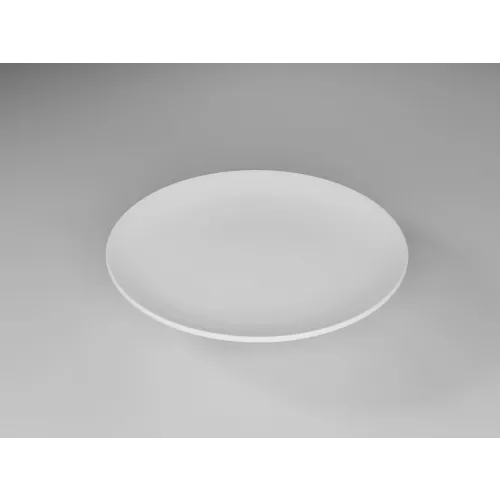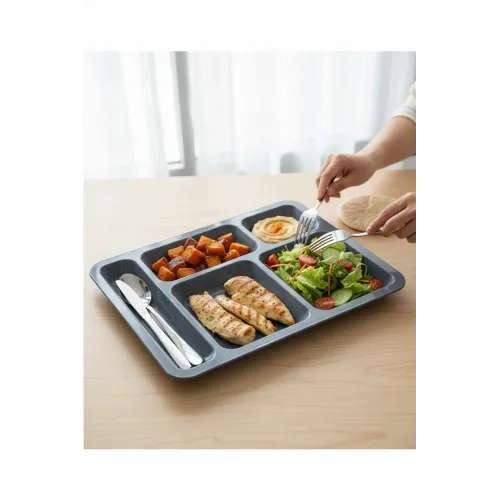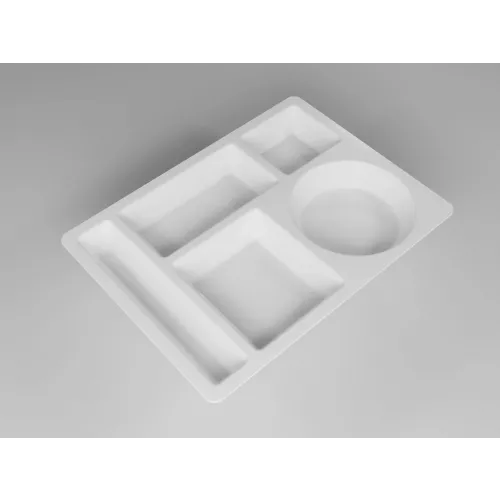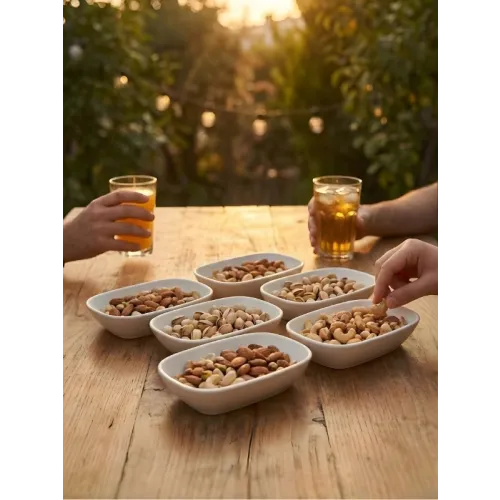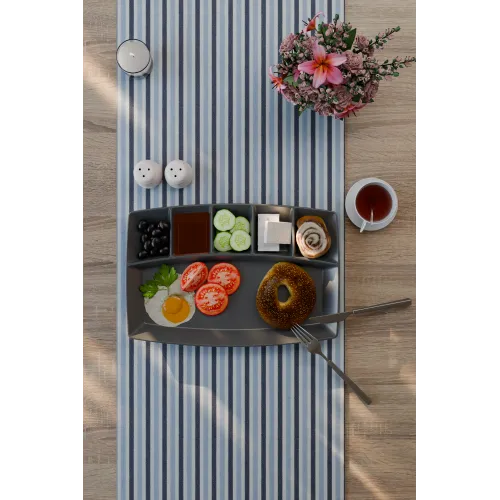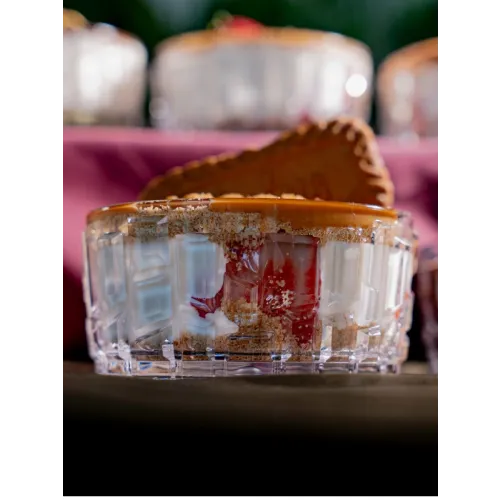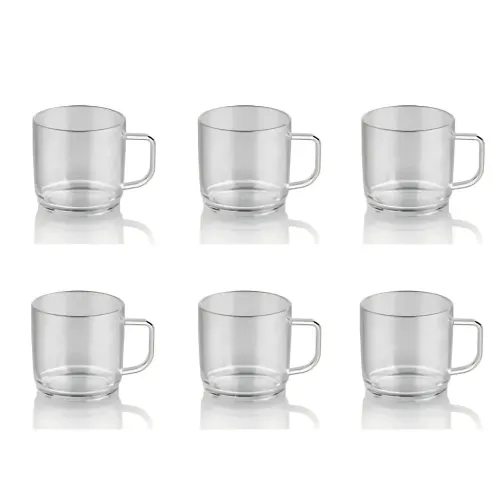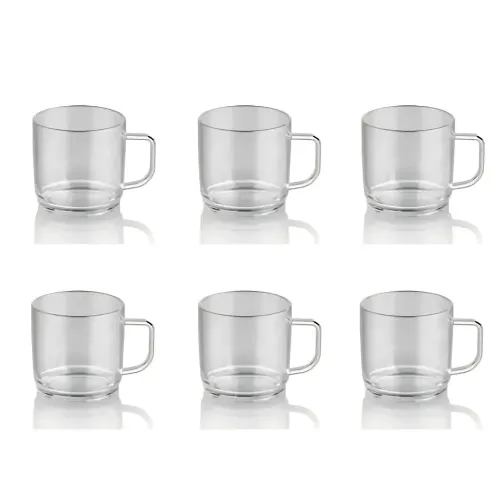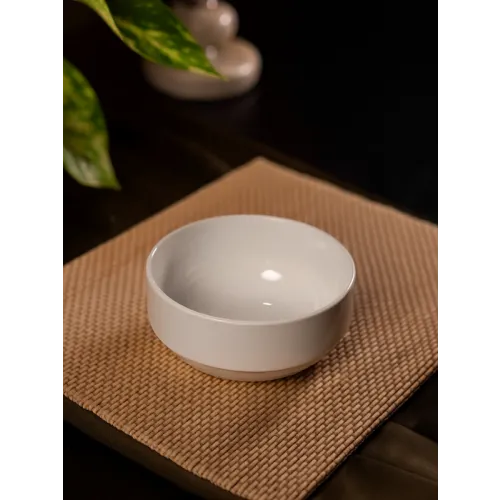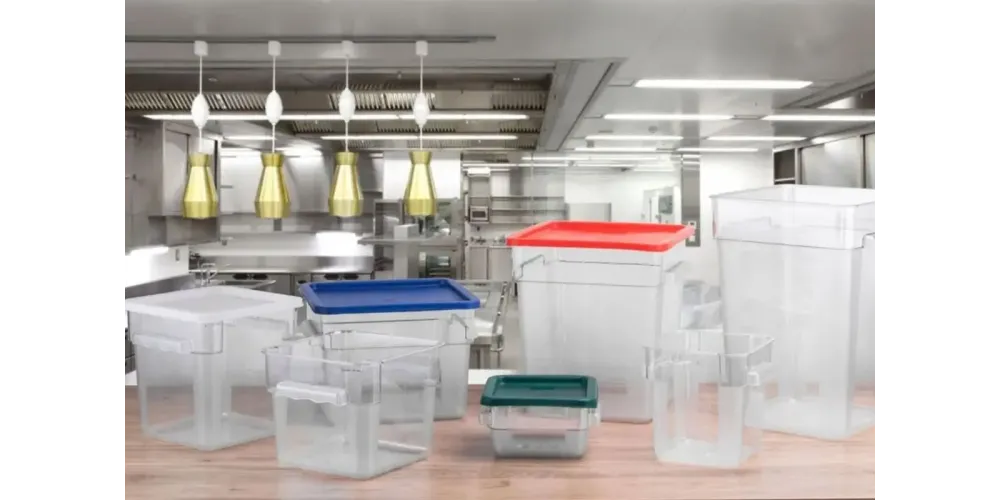
Polycarbonate is a thermoplastic material known for its high impact resistance, heat-resistant structure, and lightness. Its structure, composed of carbonate groups, makes it much stronger and more durable than standard plastics. Polycarbonate has found a wide usage area, especially in industrial products, safety glasses, and kitchenware.
The use of polycarbonate in kitchenware has seen a significant increase in recent years. Polycarbonate kitchen products are ideal for daily use due to their resistance to breaking, long-lasting use, and lightness. Polycarbonate plates, glasses, containers, and storage boxes have become indispensable, especially for hotels, restaurants, and homes.
Polycarbonate is an extremely durable material, unbreakable and resistant to impacts. Thanks to this feature, the risk of breaking in kitchen accidents or when accidentally dropped is minimized. Especially for families with children or high-usage areas like restaurants, polycarbonate products offer a great advantage.
Another important advantage of polycarbonate is its considerable lightness. It is easy to carry and provides great convenience during use in the kitchen. Especially for large plates or large-sized storage containers, this lightness facilitates daily life.
Glass products have long been a preferred material in kitchens, offering transparent and elegant aesthetics. However, the fragile nature of glass is a major disadvantage in daily use. Polycarbonate can also be transparent like glass, but unlike glass, it is much more durable and unbreakable.
Polycarbonate is much more durable than plastic materials. Standard plastics can easily scratch, bend, or break, whereas polycarbonate is harder and more robust. Additionally, polycarbonate is safer than standard plastics health-wise due to its BPA-free structure.
Melamine is also a common material used in kitchen products, just like polycarbonate. However, there are distinct differences between them. Melamine can pose health risks when in contact with extreme heat. Polycarbonate, on the other hand, is heat-resistant and more suitable for oven or microwave use.
Ceramic kitchen products are popular for their aesthetics and robustness. However, ceramic products are quite heavy and are notable for their fragile nature. Polycarbonate differs from ceramic with its lightweight and durable structure.
Nowadays, the effects of plastic products on health are often debated. However, polycarbonate products do not contain BPA, making them a safe choice.
Polycarbonate kitchen products are strong enough to be used in microwave ovens and in some cases, even conventional ovens.
Polycarbonate kitchen products can be used for years thanks to their durable structure. Frequent purchasing of new products is unnecessary as they do not encounter issues like breaking, cracking, or deformation.
Polycarbonate products maintain their robustness, especially in high-usage scenarios and accidents like falling.
Polycarbonate products can be safely washed in a dishwasher. With a low risk of scratching or deformation, they are easy and practical to clean.
The smooth surface of polycarbonate prevents staining. Even greasy or sticky food residues can be cleaned easily.
Polycarbonate is a recyclable material. Thus, it contributes to reducing waste without harming nature.
The longevity of polycarbonate contributes to reducing plastic waste.
Polycarbonate kitchen products are generally more affordable compared to other materials like glass or ceramic.
The durability of polycarbonate products eliminates the need for constant purchasing of new products.
Polycarbonate adds an aesthetic touch to modern kitchens with its transparent and glossy structure.
Polycarbonate products add vitality to kitchens with a wide range of color and design options.
The long-lasting nature of polycarbonate helps reduce product consumption and minimize harm to nature.
Polycarbonate is an eco-friendly material with its recyclable nature.
No, polycarbonate kitchen products are safe and not harmful to health due to their BPA-free structure.
Yes, polycarbonate products are heat-resistant and can be safely used in the microwave.
Yes, polycarbonate products can be washed in the dishwasher, with a low risk of scratching.
Polycarbonate is more durable and heat-resistant than melamine. While melamine poses health risks in microwave use, polycarbonate is a safe alternative.
Yes, polycarbonate is a recyclable material and can be reused without damaging the environment.